
In this guide, we’ll walk you through the five stages of video production, providing clear instructions and expert tips to help you create compelling videos that resonate with your audience.
The five crucial stages in crafting successful videos are: planning (pre-production), production, editing (post-production), distribution, and evaluation. These stages can act as a guide to create impactful videos that align with business objectives. By following a structured approach and leveraging feedback, businesses can optimise their video strategies.

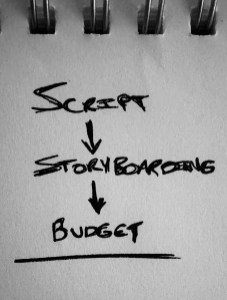
Stage 1: Pre-Production
Planning Your Video
Pre-production is the foundation of any successful video project. Here’s what you need to consider:
- Scriptwriting:
- Begin by defining your video’s purpose and target audience.
- Write a script that tells a compelling story and aligns with your brand message.
- Keep it concise and engaging.
- Storyboarding:
- Create a visual plan of your video, scene by scene.
- Use sketches or images to represent each shot.
- Include notes on camera angles, transitions, and key actions.
- Budgeting:
- Determine your budget and allocate funds for equipment, crew, locations, and post-production.
- Plan for unexpected expenses.
Case Study:
360 Aquaculture’s video series started with meticulous planning to highlight their technological advancements and commitment to sustainable seafood production. The result was a compelling narrative that resonated with viewers (Read more).

Stage 2: Production
Shooting High-Quality Footage
Now it’s time to bring your vision to life. Follow these guidelines for a successful shoot:
- Equipment Recommendations:
- Use high-quality cameras (e.g., DSLR or mirrorless cameras) for clear, professional footage.
- Invest in good lighting equipment to ensure well-lit scenes.
- Use external microphones for clear audio.
- On-Site Filming Tips:
- Choose locations that align with your video’s theme.
- Ensure your crew is familiar with the equipment and shooting schedule.
- Capture multiple takes to have plenty of options during editing.
Case Study:
BuzzRip’s promotional video for Spot Farms captured the essence of the farm’s authenticity and sustainable practices through careful on-site filming (Read more).

We help businesses elevate their visual storytelling, whether it’s through dynamic branding, engaging video production, or innovative digital experiences.

Stage 3: Post-Production
Editing Your Video
Post-production brings all the elements together to create a polished final product:
- Editing Software Options:
- Adobe Premiere Pro or Final Cut Pro for professional editing.
- DaVinci Resolve for color correction and grading.
- Editing Tips:
- Trim unnecessary footage to keep the video concise.
- Add transitions, effects, and graphics to enhance the visuals.
- Sync audio with video and add background music or voiceovers.
Case Study:
BuzzRip’s editing process for Swansea University’s College of Engineering videos involved crafting a narrative that showcased academic excellence through engaging visuals and professional production techniques (Read more).

Stage 4: Distribution
Sharing Your Video
Once your video is ready, it’s time to share it with the world:
- Social Media:
- Upload your video to platforms like YouTube, Facebook, Instagram, and LinkedIn.
- Optimize titles, descriptions, and tags for search engines.
- Website Embedding:
- Embed the video on your company’s website to enhance user experience and SEO.
- Create a dedicated landing page for the video.
- Email Marketing:
- Include the video in your email newsletters to engage your subscribers.
- Use captivating subject lines to increase open rates.

Stage 5: Analysis and Improvement
Measuring Success
To ensure your video content has the desired impact, track its performance and gather feedback:
- Metrics to Track:
- View count, watch time, and audience retention.
- Engagement metrics such as likes, shares, comments, and click-through rates.
- Using Feedback:
- Collect feedback from viewers and analyze comments.
- Identify areas for improvement and make necessary adjustments for future videos.
Case Study:
360 Aquaculture’s video series emphasized environmental stewardship and community engagement, resulting in positive viewer feedback and heightened brand awareness (Read more).
Conclusion
Incorporating video production into your SME’s marketing strategy can elevate your brand and connect with your audience on a deeper level. By following these five stages—pre-production, production, post-production, distribution, and analysis—you’ll create high-quality, engaging videos that resonate with your viewers.
Ready to take your video production to the next level? Book a call with one of our expert video strategists today and discover how we can help you refine your video content and achieve your business goals. Get Started


We help businesses elevate their visual storytelling, whether it’s through dynamic branding, engaging video production, or innovative digital experiences.
Leave a Reply